The fabric
Looks formal. Works like kit.
Every Charcoal piece is cut like the clothes you wear to work and made from a fabric chosen for sport: it does not crease, dries fast, stretches with you and never needs an iron.

Why it matters
Built for the Indian day.
- 40°C
The weather
Heat and humidity, through long commutes and packed schedules.
- Midday
The clothes
By lunch, most traditional formals have creased and are holding heat.
- 19:00
The evening
Home to change before the court, the gym or dinner. The clothes decide the schedule.
What it does
Four things, all day.
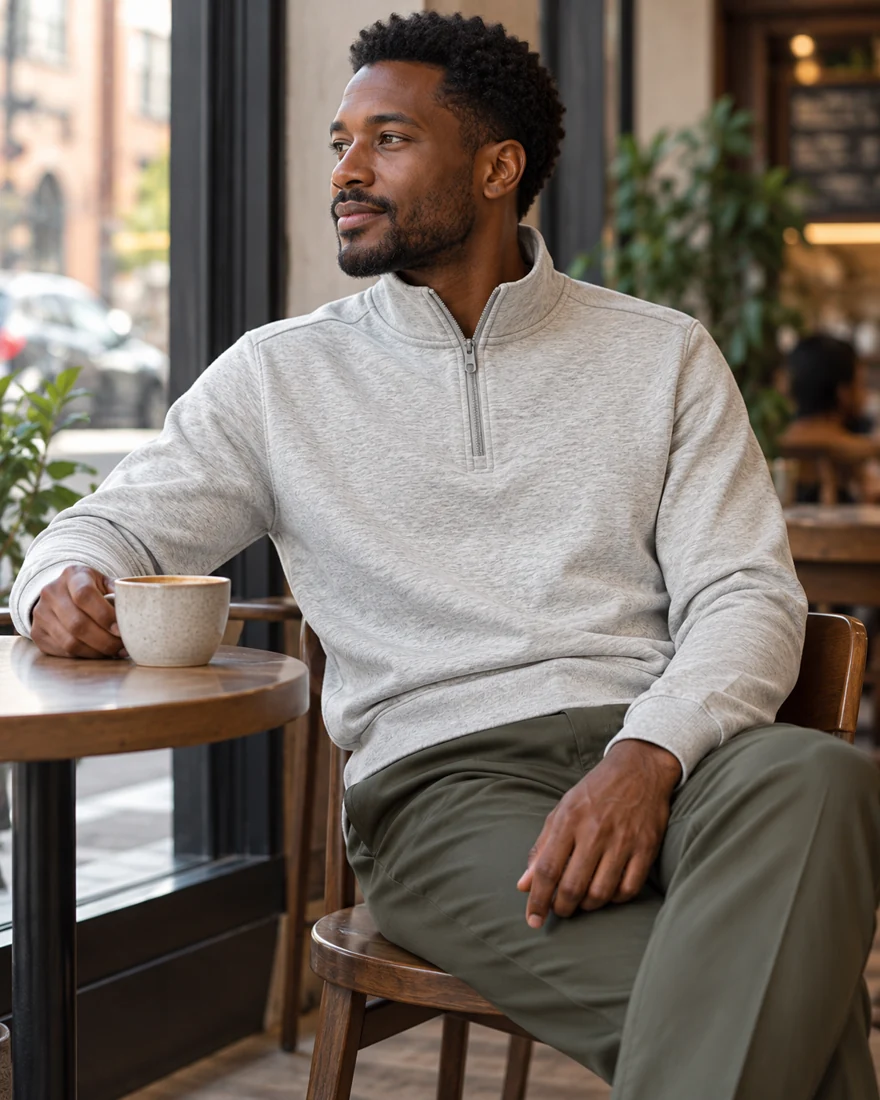 01 / 04
Wrinkle-free.
Sharp at 9. Still sharp at 9.
The fabric is made to resist creasing. Sit through a three-hour review, a flight or a car ride, and the collar and front still look pressed.
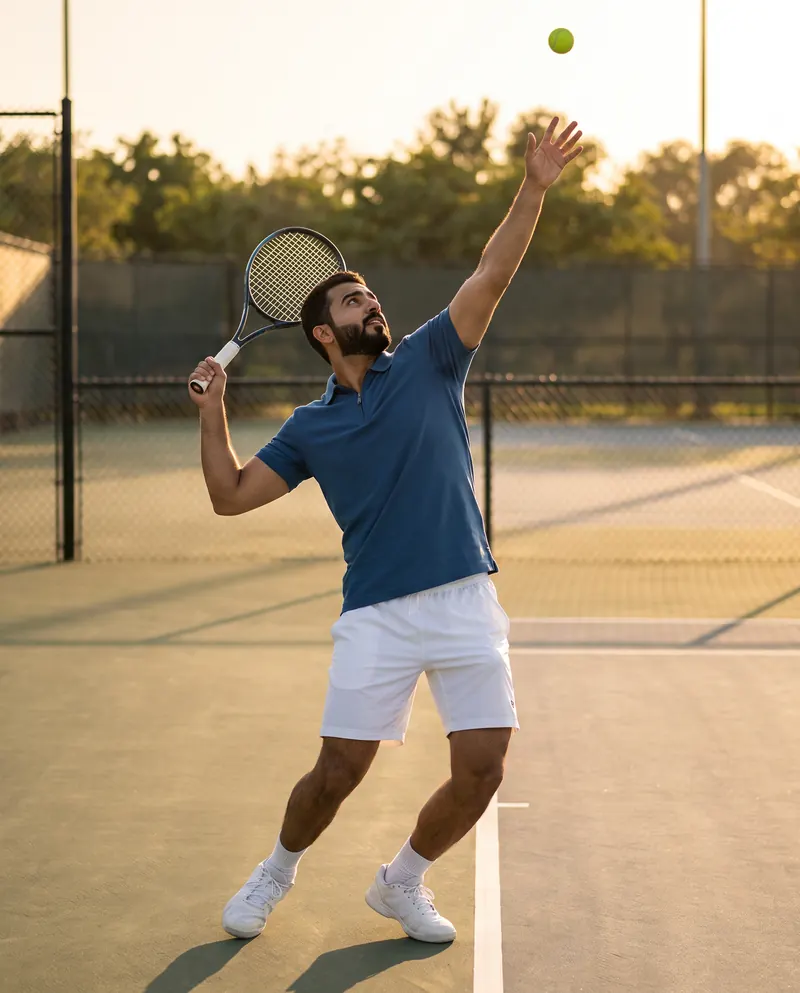 02 / 04
Dry-fit.
Built for a 40°C day.
The knit pulls moisture away from the skin and dries quickly, so the commute, the stairs and the evening game do not show up on your shirt.
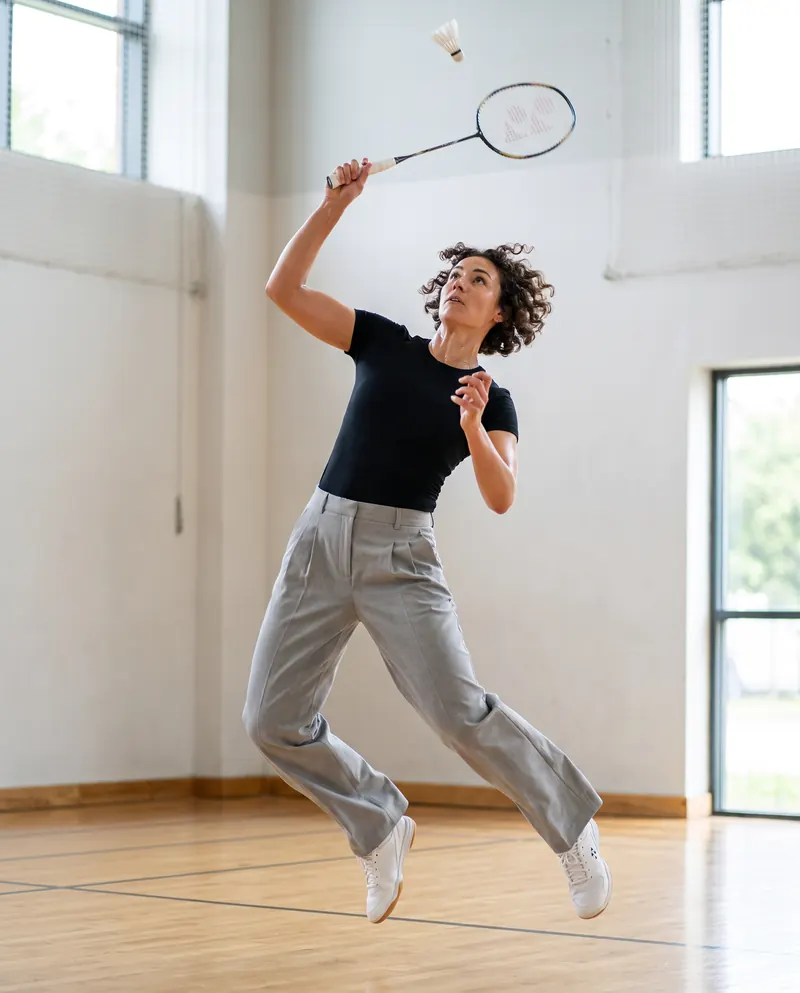 03 / 04
Stretch.
Cut like formal wear. Moves like kit.
The stretch is in the fabric, so you can reach, run and swing. It springs back, so knees, elbows and seats do not bag out by the evening.
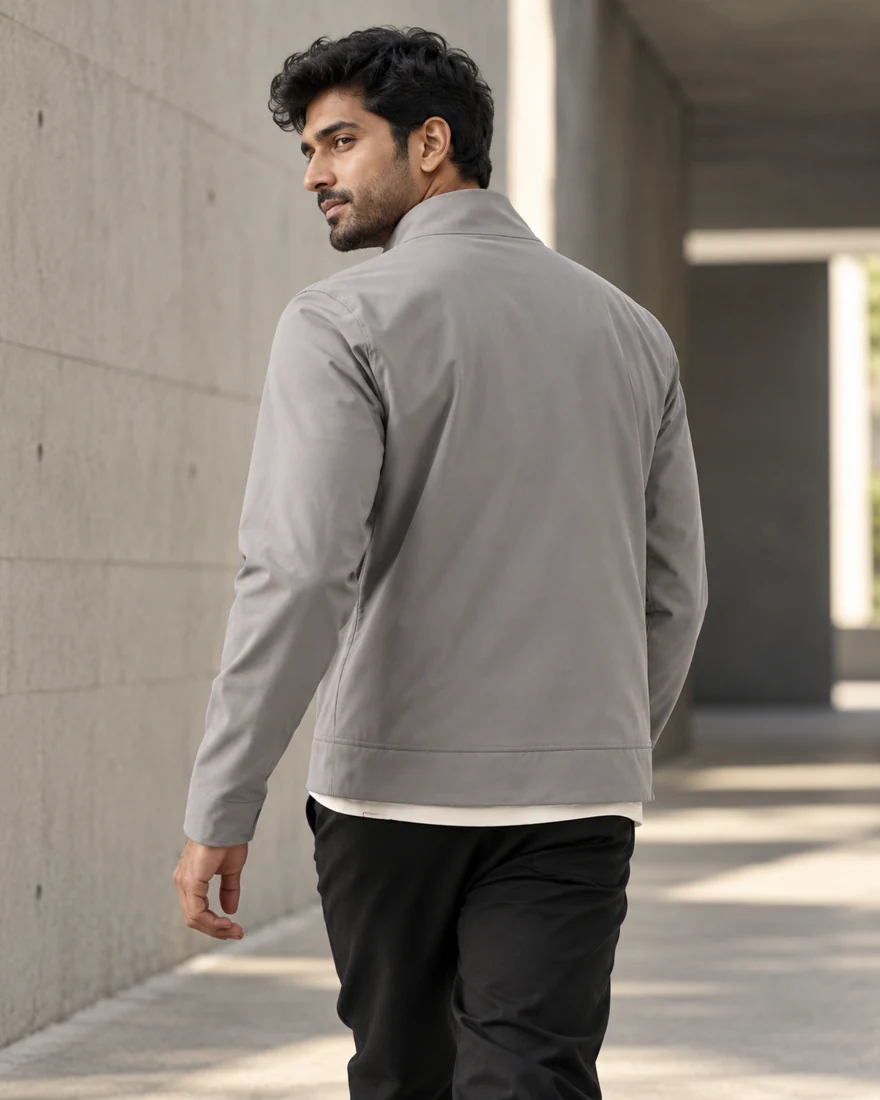 04 / 04
No ironing.
Wash, hang, wear.
Made to be worn straight off the hanger. Less time at the ironing board, fewer trips to the dhobi, and it packs flat for travel.
Hour by hour
Your usual formals against Charcoal.
| When | Usual formal wear | Charcoal |
|---|---|---|
| 09:00 · The commute | Creased before you reach the office | Arrives looking the way it left the hanger |
| 13:00 · Midday heat | Holds sweat and heat, and shows it | Pulls moisture away and dries quickly |
| 16:00 · Back to back meetings | Pulls at the shoulders when you reach | Stretches with you and springs back |
| 19:00 · After work | Home to change before the court or gym | Straight to the court, the gym or dinner |
| Next morning | Ironing board, or the dhobi | Wash, hang, wear |
In the details
Tailoring on the outside. Kit on the inside.
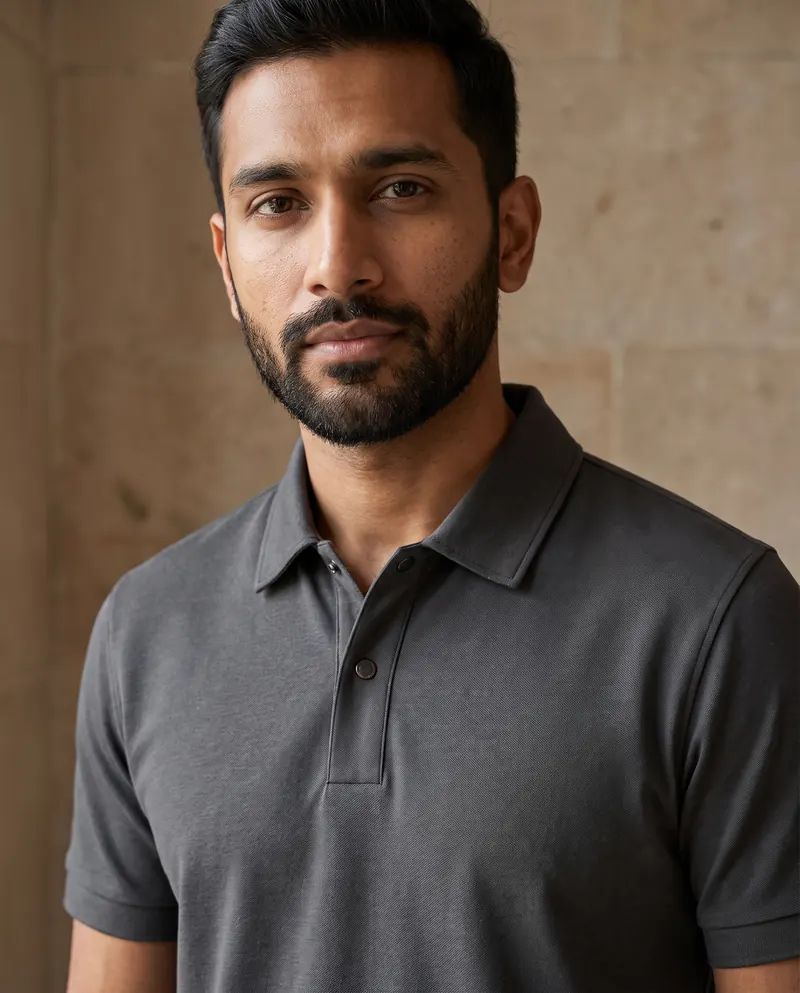
The snap placket
Snaps instead of buttons. Closed, it reads like a proper collar in a meeting. Pop it open in one move when the day turns active.
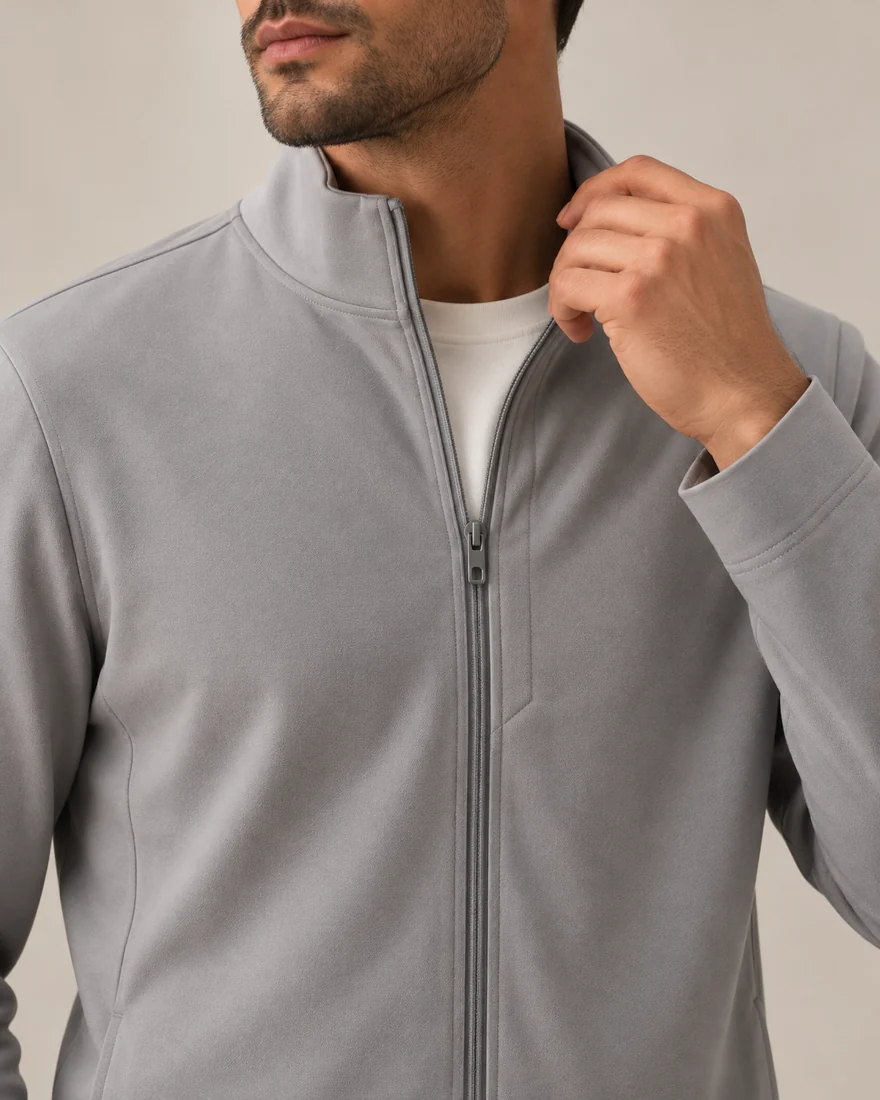
The stand collar and zip
A clean stand collar and a full zip, with no chest pocket, so the front reads as one surface. It replaces the blazer on travel days.
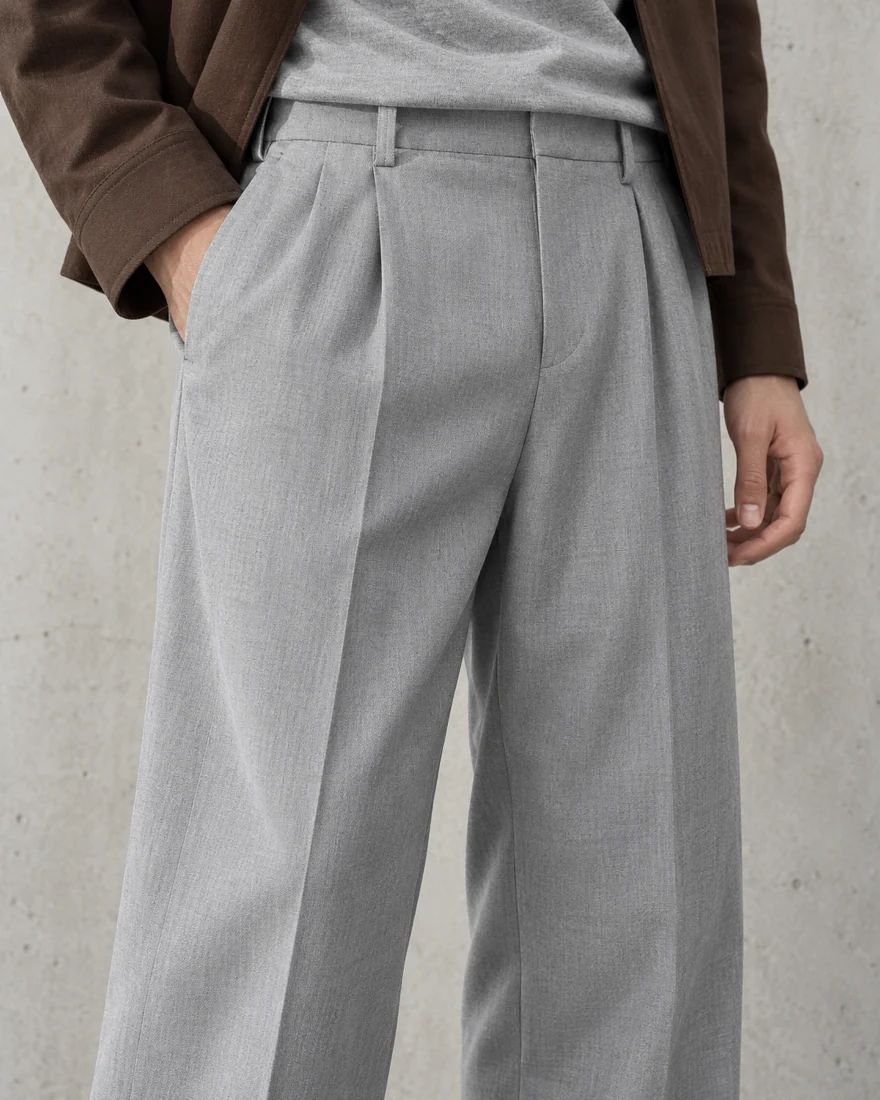
The front pleat
A formal detail with a sports job: the pleat opens up room through the thigh for a lunge, a sprint or a long drive.
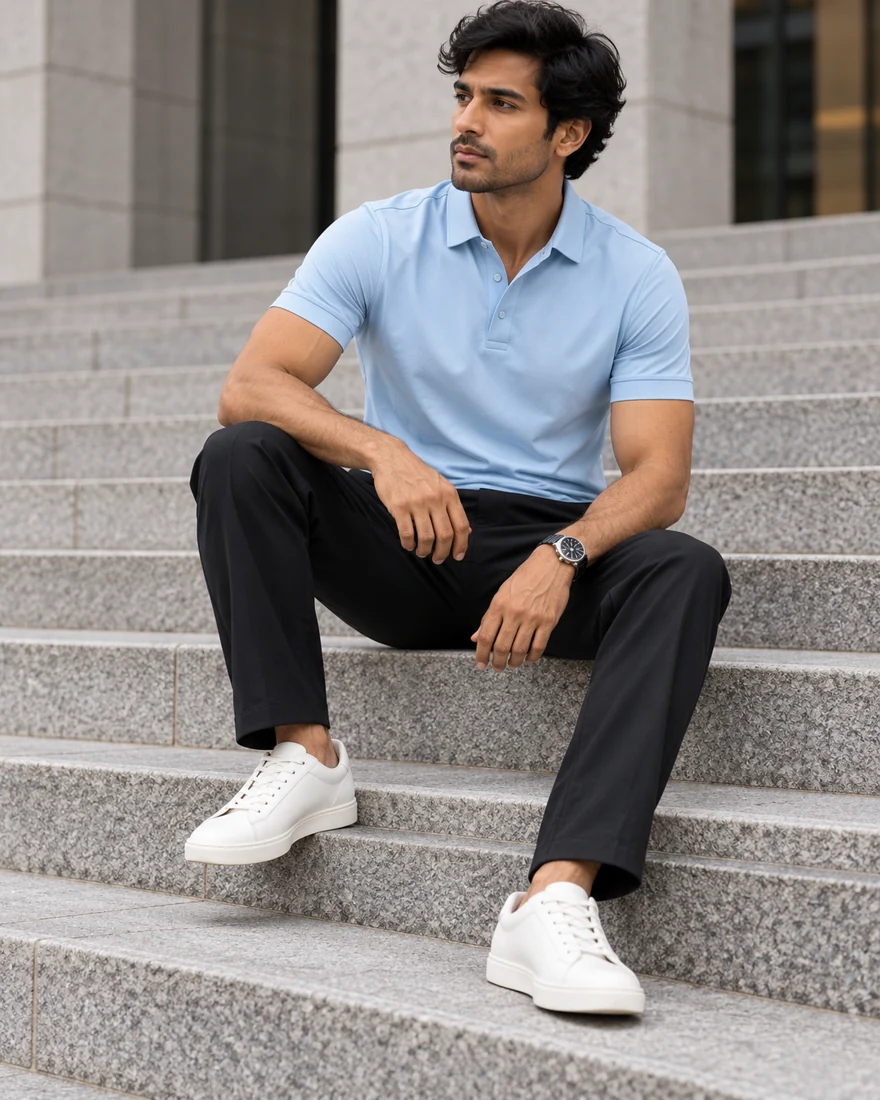
The self-fabric collar
Cut from the same fabric as the body, fused to hold its line. No curling tips by lunchtime, and no stiff collar on the court.
Try it yourself
Three tests, no lab needed.
- 01
Crush it.
Ball up a sleeve in your fist for ten seconds, then let go. Watch it settle back flat.
- 02
Stretch it.
Pull the hem or a cuff and release it. It should come straight back, not stay pulled out of shape.
- 03
Live in it.
The real test is an ordinary day: the ride in, the desk, the stairs and whatever comes after work.
Questions
About the fabric
Will it look like sportswear?
No. Clean collars, quiet colours and no big logos. Tucked in with a belt, every piece reads as formal wear. The sports part is in the fabric and the cut, not the look.
Do I really never need to iron it?
It is made to be worn without ironing: wash it, hang it, wear it. Full washing and care instructions come with the production samples.
Is it hot to wear in Indian summers?
The fabric is chosen for heat: it pulls moisture away from the skin and dries quickly, unlike most traditional formals, which hold sweat.
Can I actually play sport in it?
That is what it is cut for: padel, tennis, badminton, a run or the gym after work. Snap and zip plackets, pleats and tapered legs give you room to move.
Feel the difference on day one.
Care instructions and measurements for every size come with the production samples. We share them with you before you pay.